


Nokū Matcha
Nokū Ceremonial Grade Matcha Powder – First Flush, Kagoshima Japan (30 g)
Nokū Ceremonial Grade Matcha Powder – First Flush, Kagoshima Japan (30 g)
Couldn't load pickup availability
Nokū Ceremonial Grade Matcha is first flush Japanese matcha from Kagoshima, stone-ground into a vivid green powder with a smooth, naturally sweet taste and no bitterness. One 30 g tin makes about 15 to 30 cups, for traditional matcha tea, lattes and your everyday pause.
At a glance
- Grade: Ceremonial
- Origin: Kagoshima, Japan
- Harvest: First flush (Ichibancha), the first spring harvest
- Processing: Shade-grown 3–4 weeks, slow stone-ground
- Net weight: 30 g in an airtight tin
- Servings: About 15–30 (1–2 g per cup)
- Ingredients: 100% green tea powder. No sugar, no additives
- Compliance: Packed and sold under FSSAI licence
Sourcing and quality
From Kagoshima, Japan
Our matcha comes from Kagoshima, one of Japan's most renowned tea-growing regions. The tea plants are shade-grown for 3 to 4 weeks before harvest, a traditional practice that raises chlorophyll, L-theanine and amino acids, giving the matcha its vibrant green colour and naturally sweet, umami-rich flavour.
First flush (Ichibancha)
Only the youngest, most tender leaves from the first spring harvest are used. These are the most prized leaves of the year, picked once and ground carefully to keep everything that makes ceremonial matcha worth drinking.
Traditional stone grinding
The leaves are slowly ground on granite stone mills at low temperature to protect flavour and nutrients. The result is an ultra-fine, silky powder that whisks smoothly and tastes clean and bright.
How to make matcha
Traditional matcha tea
- Sift 1–2 g of matcha (1–2 bamboo scoops or about ½ teaspoon) into a bowl.
- Add 60–70 ml of hot water at about 75–80°C. Do not use boiling water.
- Whisk briskly in a W motion with a bamboo whisk for 15–20 seconds until frothy.
Matcha latte
- Whisk 1–2 g of matcha with 30 ml of warm water until smooth.
- Pour over 150–200 ml of hot or iced milk (dairy, oat or almond).
- Sweeten with honey or maple syrup if you like.
Why Nokū
Nokū is made for the pause. In a culture that rewards always being busy, the simple ritual of whisking a bowl of matcha gives you a few minutes that are just yours. Natural caffeine with L-theanine gives calm, steady energy without the coffee crash.
What's included
- 30 g ceremonial grade matcha powder
- Food-grade airtight tin
Frequently asked questions
How many cups does a 30 g tin make?
About 15 to 30 cups. Use 1 g for a light traditional tea and up to 2 g for a stronger tea or latte.
How much caffeine is in Nokū matcha?
A 2 g serving has roughly 60–70 mg of caffeine, less than a typical cup of coffee. L-theanine in matcha makes the energy feel calmer and steadier. See how matcha caffeine compares with coffee, chai and green tea.
Is this ceremonial or culinary grade?
Ceremonial grade. It is made from first flush leaves and is meant to be drunk as tea or in lattes. Nokū sells only ceremonial grade.
Do I need a bamboo whisk?
A bamboo whisk (chasen) gives the smoothest, frothiest matcha. A small milk frother also works for lattes.
How should I store matcha?
Keep the tin tightly closed, away from heat, light and moisture. A refrigerator is ideal once opened. Best enjoyed within 6–12 months of opening.
Do you ship across India?
Yes. Nokū ships across India in sealed airtight tins.
What if my order arrives damaged or I get the wrong item?
We will replace it. Email contactus@nokumatcha.com within 24 hours of delivery with your order number and an unboxing video or clear photos. The product must be unopened with its seal intact. As matcha is a food product, we do not accept returns for any other reason. See our refund and replacement policy.
Do you offer cash on delivery?
No. All orders are prepaid.
Is Nokū matcha good for beginners?
Yes. It is smooth and naturally sweet with no bitterness, so it is an easy first matcha. Start with 1 g whisked into 70 ml of hot water, and add a splash of milk if you like it softer. Our beginner's matcha routine walks you through it.
Why does my matcha taste bitter?
Usually the water is too hot or there is too much powder. Use water at about 75–80°C, never boiling, and 1–2 g per cup. Lower grade matcha is also naturally more bitter, which is why ceremonial and culinary grade taste so different.
What does first flush mean?
First flush, or Ichibancha, is the first spring harvest of the year. These are the youngest leaves, with the most L-theanine and the sweetest flavour. Nokū uses only first flush leaves from Kagoshima, Japan.


Tried matcha for the first time with Noku Matcha, and now it’s part of my daily routine. Smooth taste, easy to make, and surprisingly enjoyable.
❤️❤️
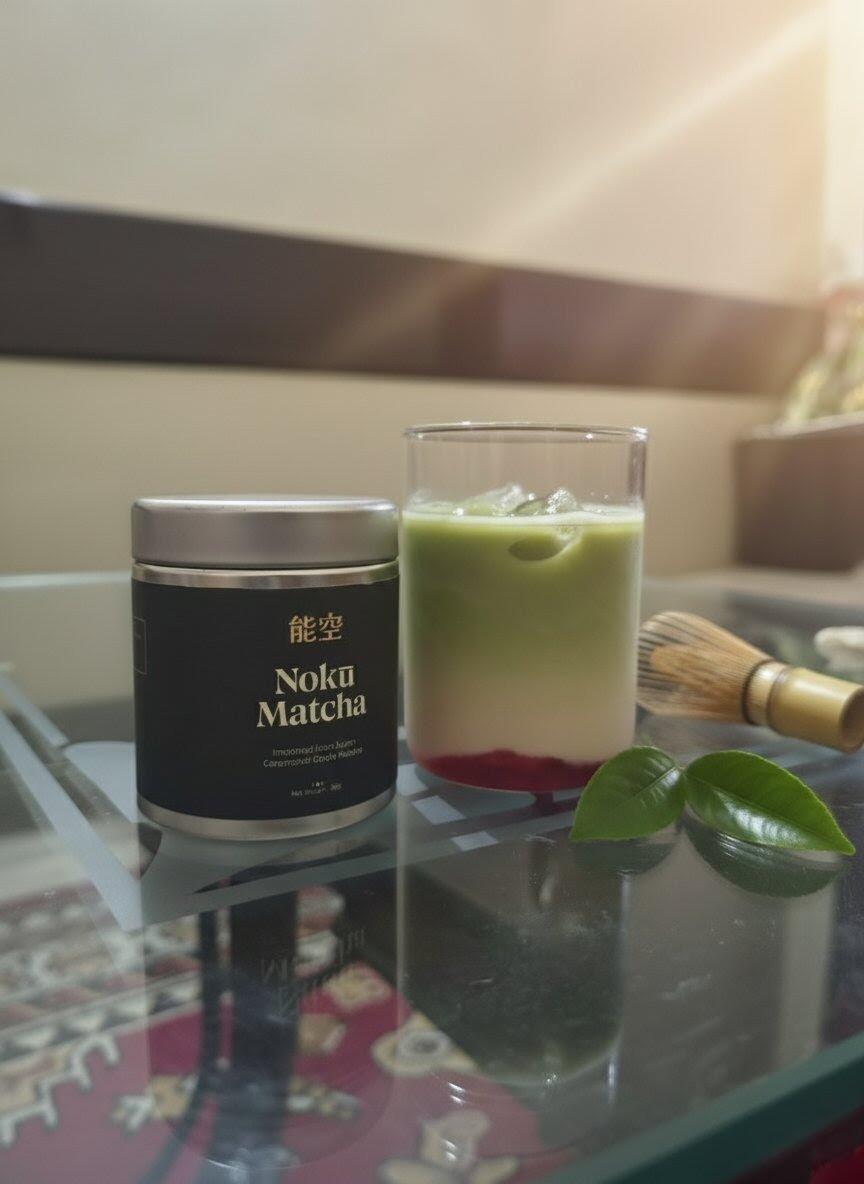
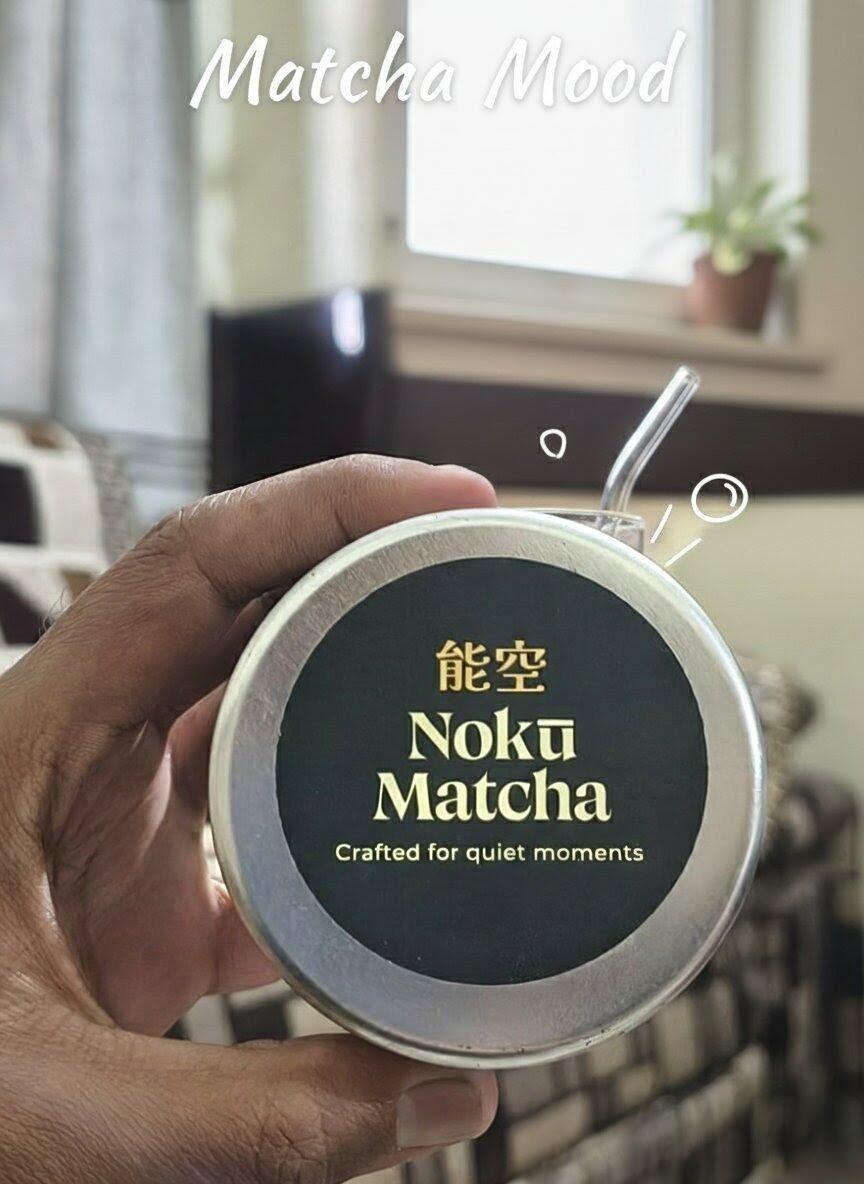
Switched from coffee to Noku Matcha and I’m not going back. Light, fresh, and powerful in a quiet way.
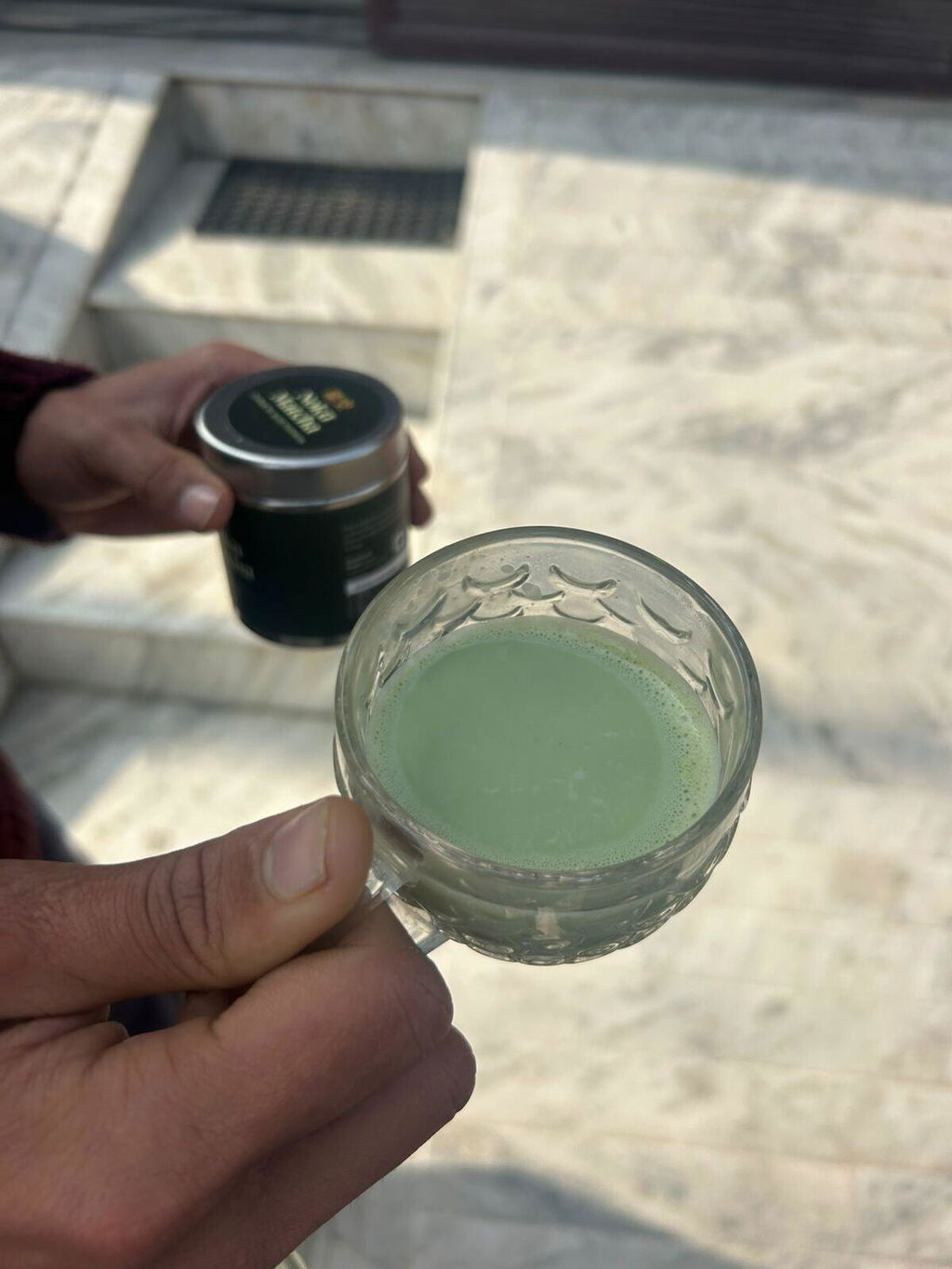
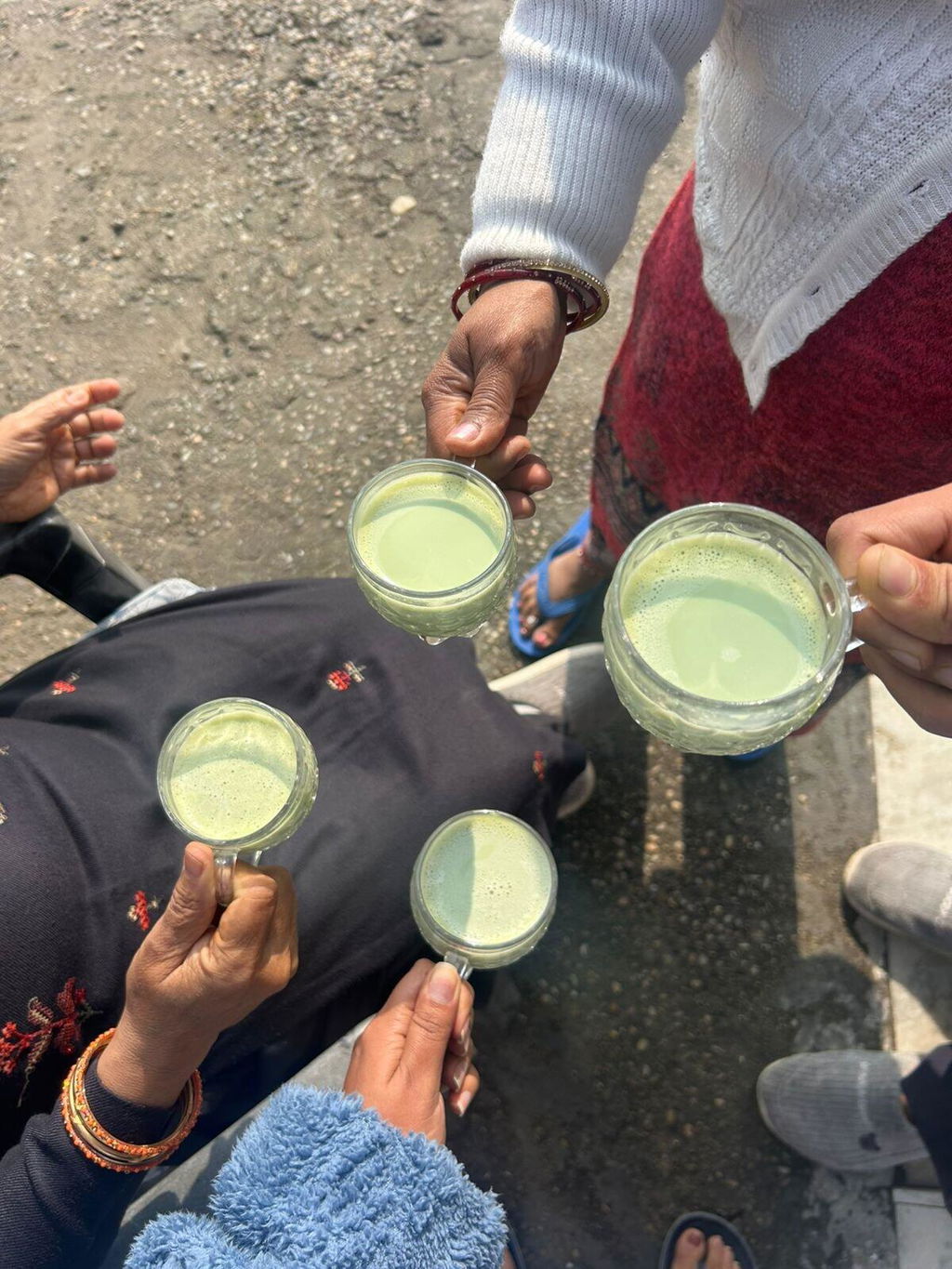
I’ve been having this on and off during the week, usually when I don’t want coffee. It’s easy to make and doesn’t taste harsh, which I appreciate. I like it, but I’m still experimenting with how I prefer to drink it.
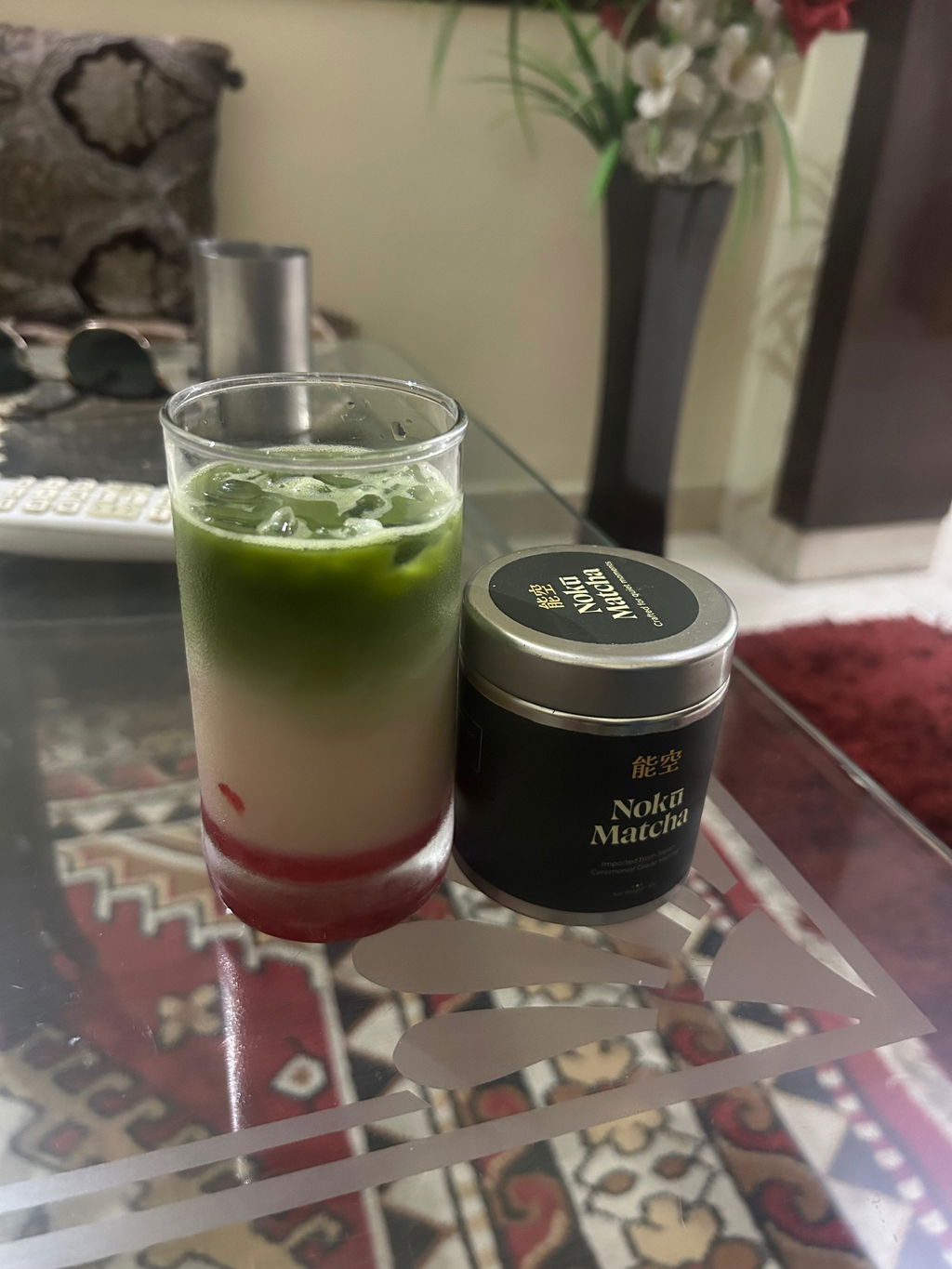
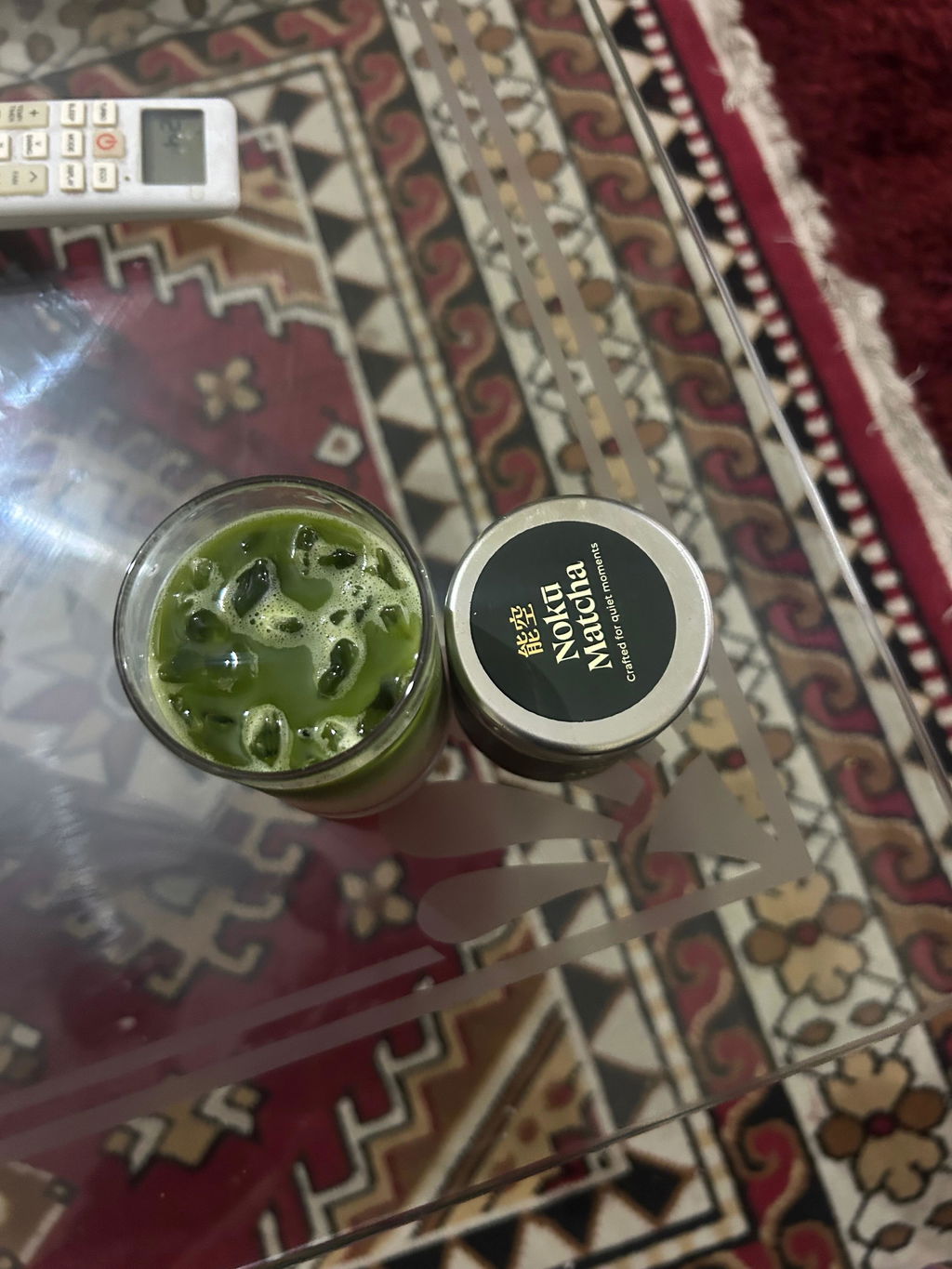
I usually don’t leave reviews, but I’ve been using this for a few days and thought I’d share. I didn’t love it right away, mostly because I’m still getting used to matcha but it definitely grew on me. It’s smooth, not bitter, and feels really nice to drink, especially in the morning.
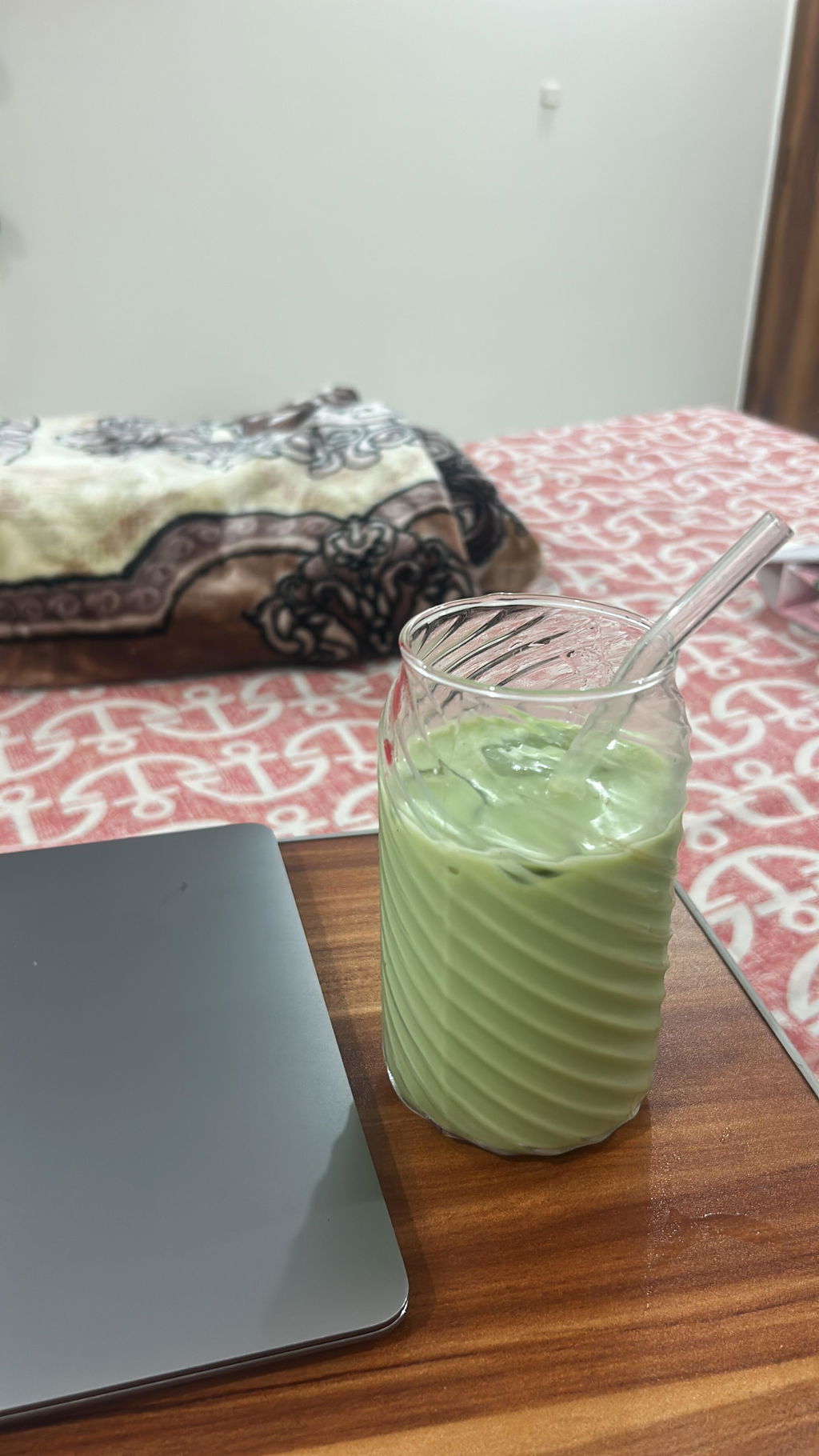
This was my first time trying matcha and I wasn’t sure what to expect. The taste is actually really smooth and not bitter, which I liked. It feels fresh and good quality!
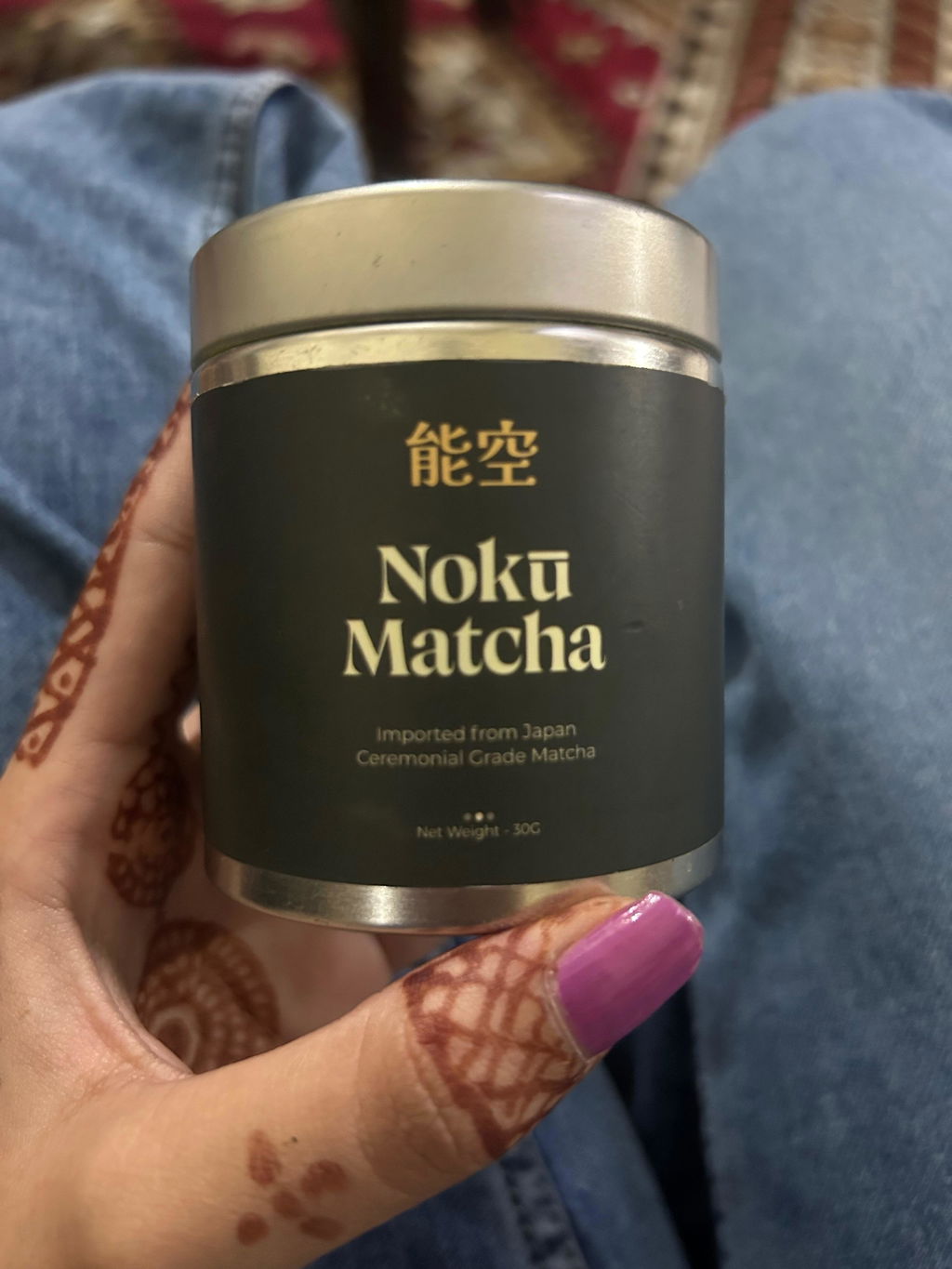
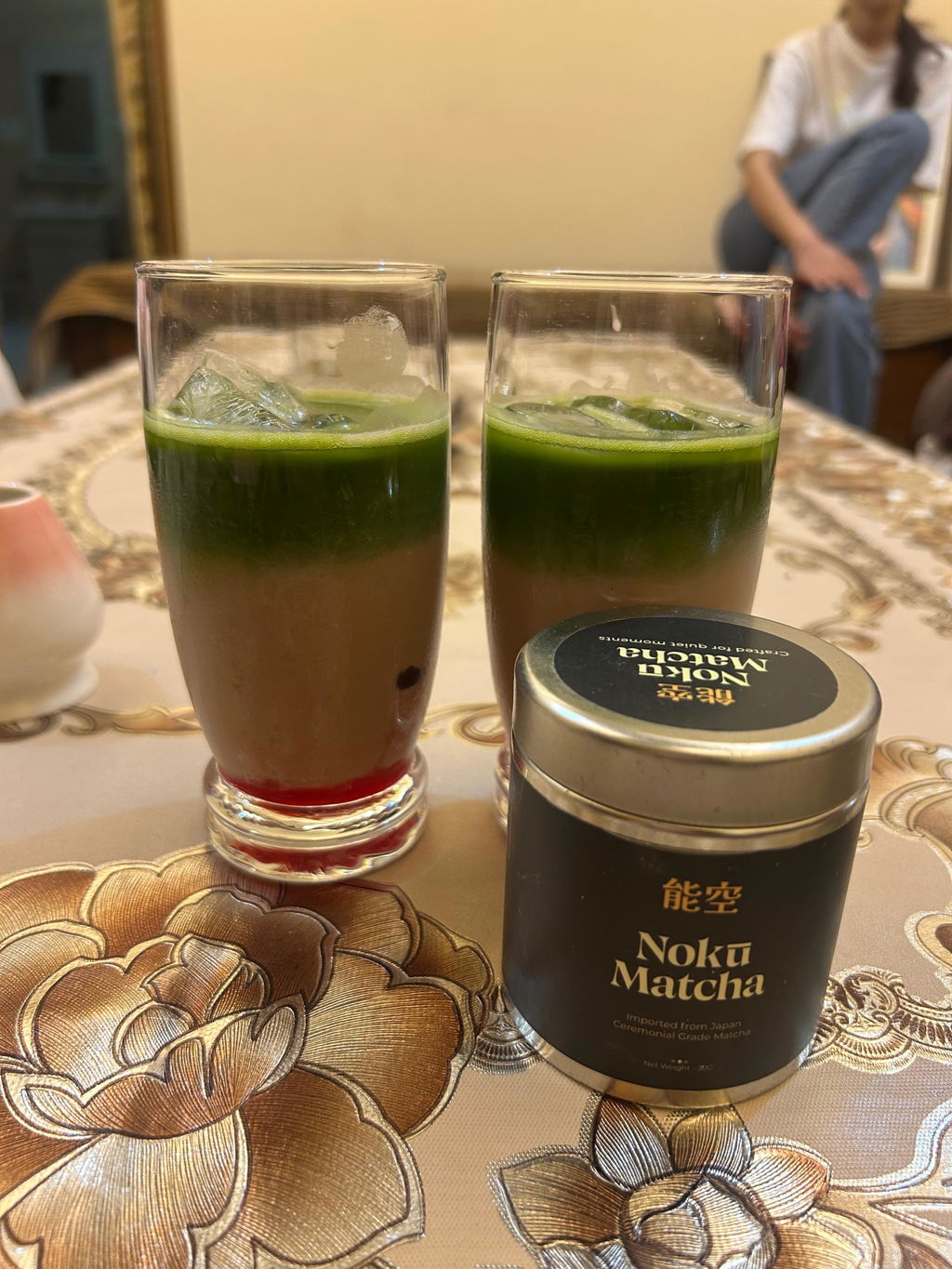
My mother is undergoing chemo and matcha was suggested by a friend. After drinking this for 3 consecutive days my mother observed an elevated and better mood than what she had prior to drinking it.You got a regular customer now. Please never compromise with the quality.
Thanks
Great Matcha